German TV is one of the best things you can do for your German, but only if you can follow it. Too easy and you stop paying attention; too hard and you give up after ten minutes.
This list goes from easy to hard, with a note on each show: why it helps, how people speak in it, and where to watch it. All of them have German subtitles: read the German line, and when you get lost, glance at the English one underneath. Streaming catalogues differ by country.
Beginner:Nicos Weg, a free Deutsche Welle drama written for A1 to B1.
Intermediate:Tagesschau in 100 Sekunden, then How to Sell Drugs Online (Fast).
Upper intermediate and up:Dark and Tatort, then Babylon Berlin.
Free to watch: most picks are on ARD Mediathek, ZDF, KiKA or DW.
A2Beginner (A1–A2)
At this level you want slow, clear German about everyday things, ideally made for learners or for children.
A drama made for learners: Nico arrives in Germany and we follow him through work, friends and bureaucracy. Each short episode sits inside a free course that goes from A1 to B1.
The German is real but careful, and the story is good enough that you want the next episode.
Why it works: it was written for exactly your level.
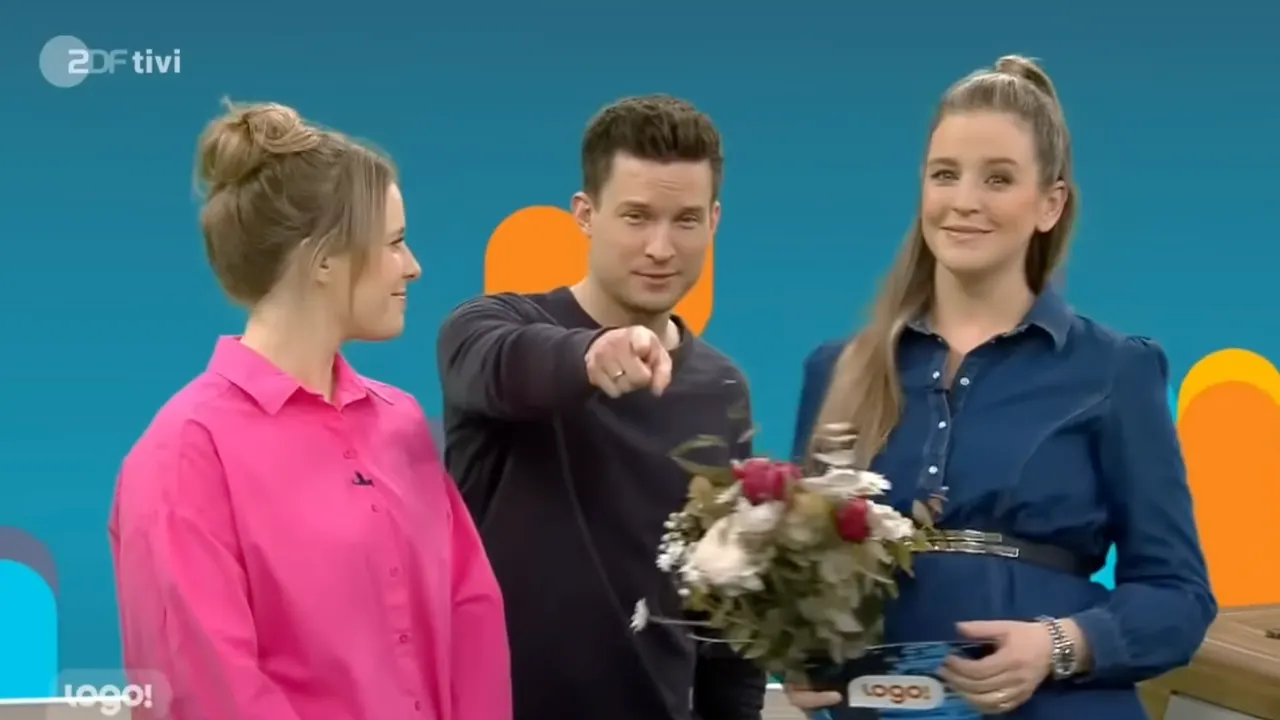
The daily news for children: ten minutes on the day’s stories, explained simply, with pictures that do half the work. Because it’s the real news, you also learn the words you’ll later hear on the adult bulletin.
Why it works: short, daily, and very clearly spoken.
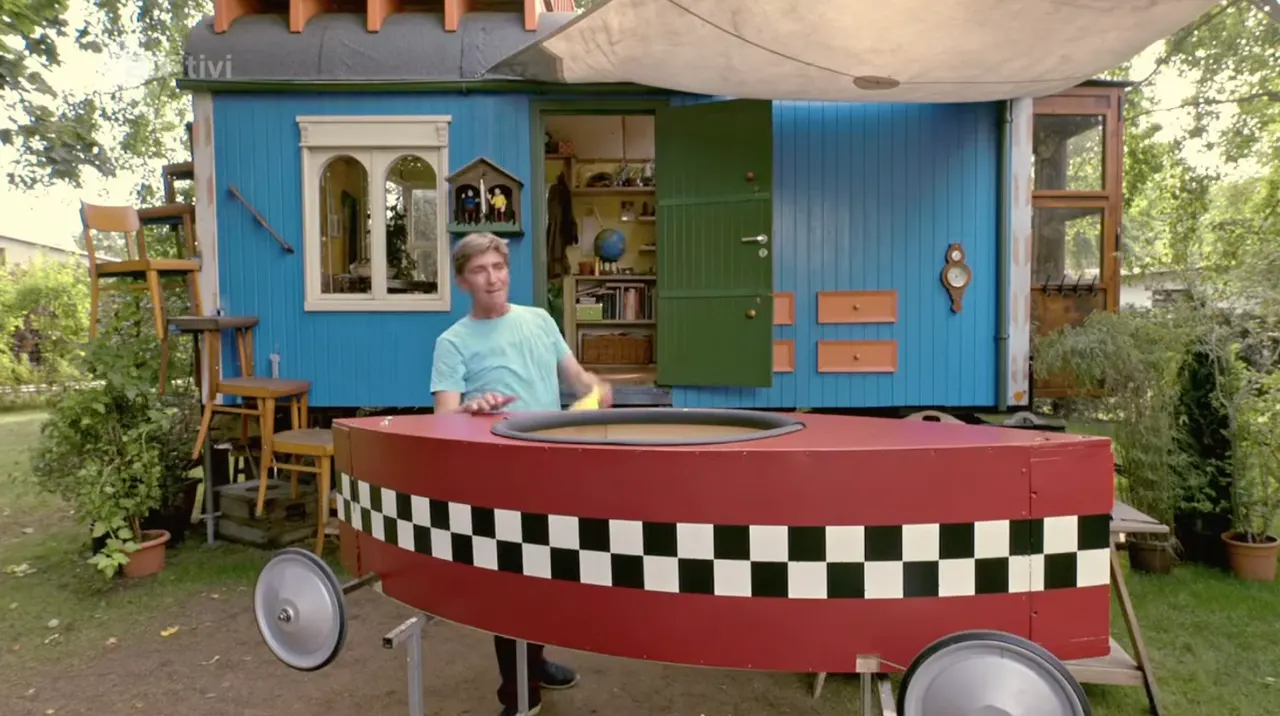
Germany’s best-loved children’s programme, on air since 1971. It explains how things work, how a pencil gets its lead or what happens at a recycling plant, in short clips with calm narration. Adults watch it too.
The main news, compressed to under two minutes. Newsreaders speak the clearest standard German on TV. Start here, then move to the full fifteen-minute Tagesschau at 8 pm.
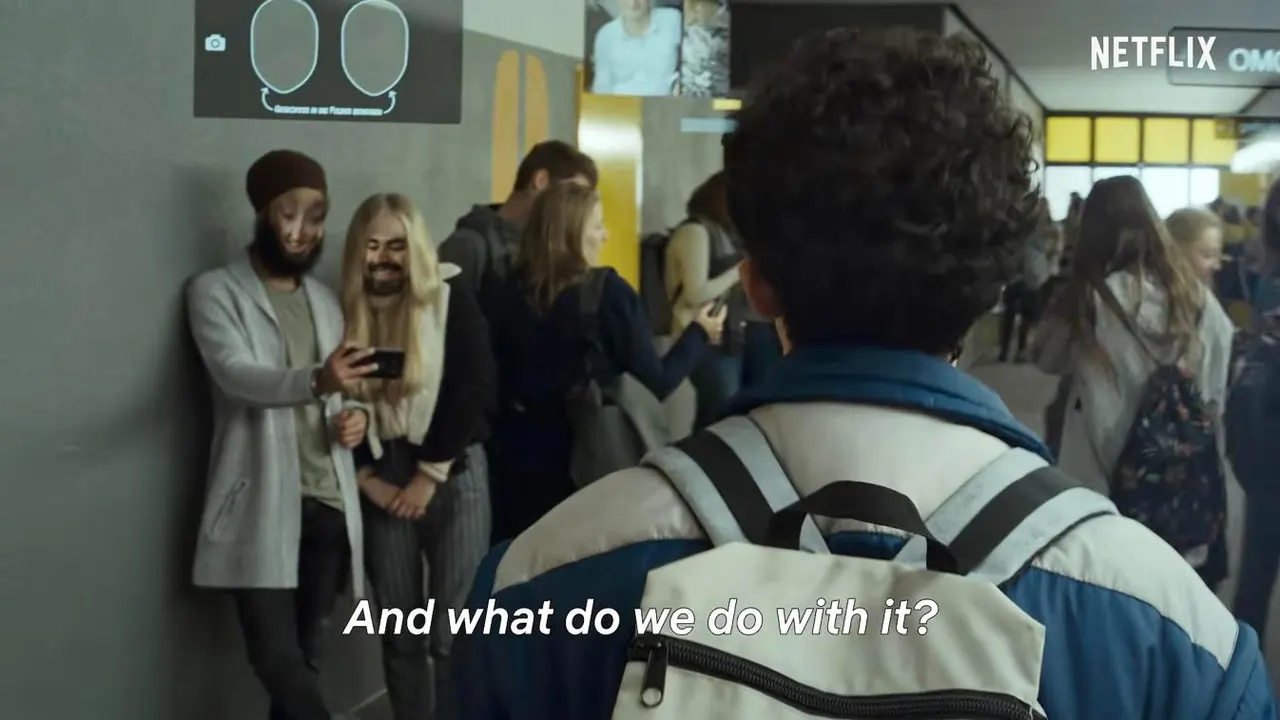
A comedy about a school nerd who starts an online drug shop from his bedroom. Short episodes, a fast story and young people’s German: how teenagers actually talk, with plenty of English mixed in.
Watch out: the slang is fast; pause often in the first episodes.
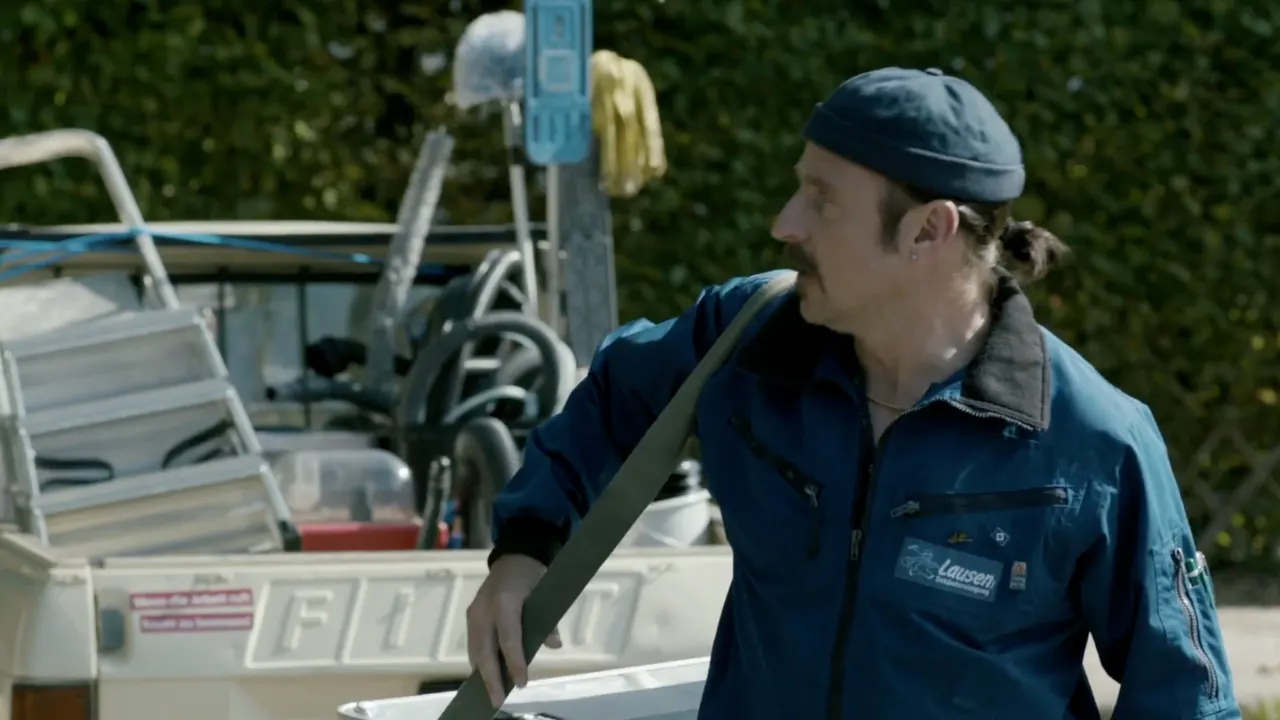
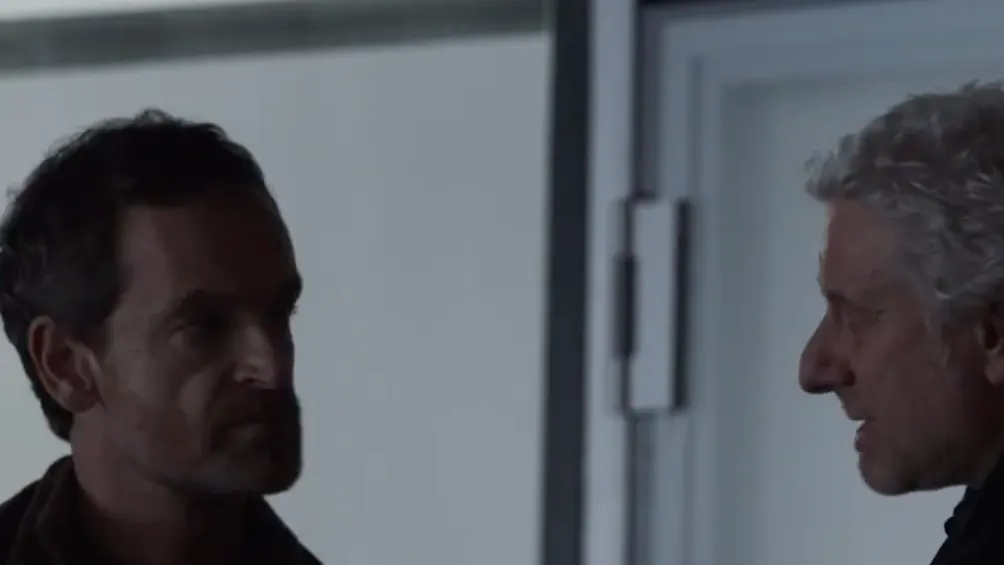
A crime-scene cleaner arrives after the police have left and ends up talking to whoever is there. Almost every episode is one long conversation in one room, ideal for listening practice. Dry, funny and often surprising.
B2Upper intermediate (B2)
Longer stories, more characters, and German as it is spoken among adults.
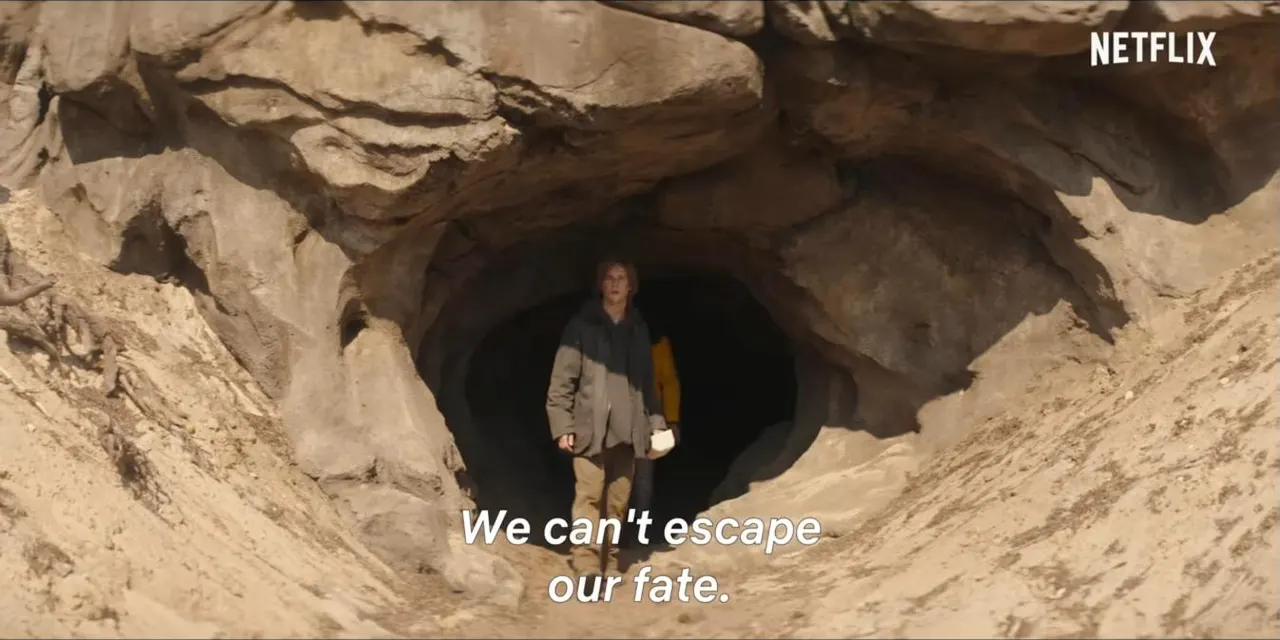
Netflix’s first German series: a small town, missing children and a mystery across several generations. The German is clear standard German, but the plot is complicated, so the challenge is following the story. Many viewers watch it twice anyway.
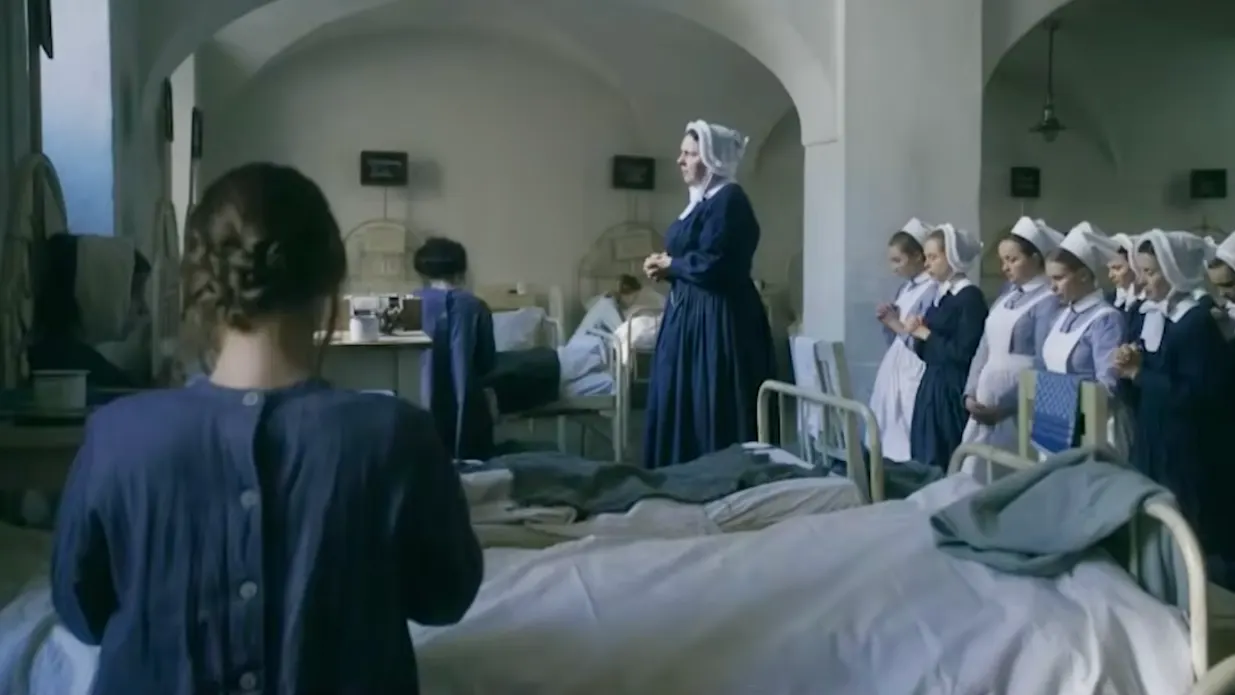
A historical drama set in Berlin’s famous hospital, each season in a different era. Medicine, history and politics: good for vocabulary beyond daily life.
The Sunday-evening crime series, running since 1970, with teams of detectives in different cities. Every team has its own accent: a tour of German as it is spoken from Kiel to Munich and Vienna.
Pick one team you like and stay with it.
C1Advanced (C1 and up)
Dialect, slang and fast talk: the hardest German on TV.
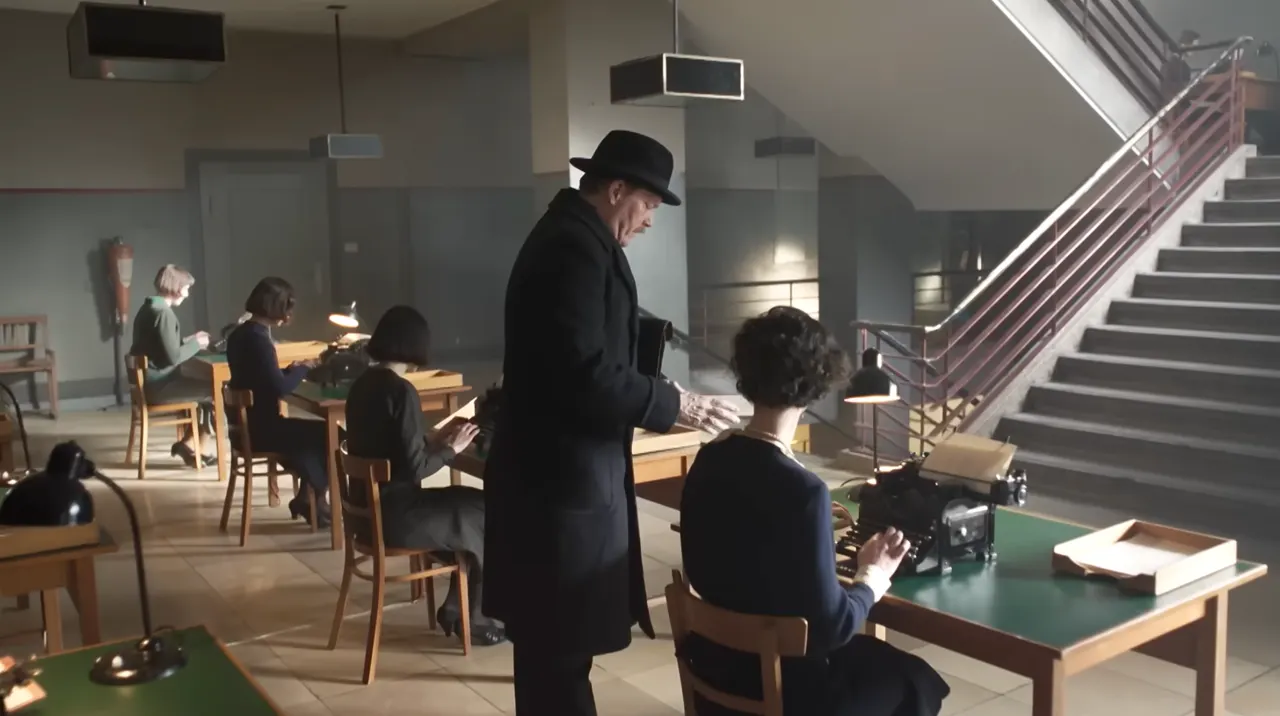
Berlin in 1929: crime, politics and nightclubs. Historical slang, Berlin dialect and many characters talking over each other. Demanding, and spectacular to watch.
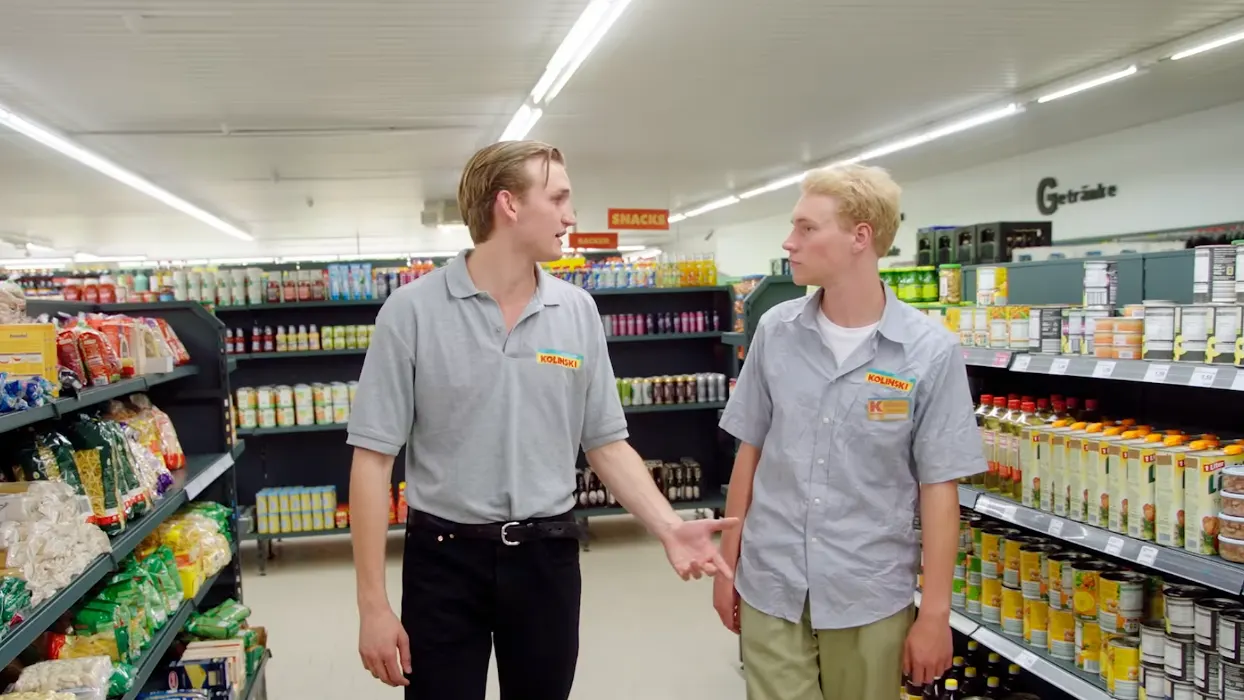
A mockumentary about the staff of a Hamburg supermarket. Fast, improvised-sounding dialogue, lots of slang and jokes that depend on knowing German everyday life. If you laugh at this, your German is very good.
German and English subtitles together
Most of these shows only offer German subtitles. To see English under the German, you can use Hibota, a browser extension that is free to start:
Install Hibota in Chrome, Edge, Brave or Firefox on a computer, or Firefox on an Android phone (Safari coming soon).
Open the show on ARD Mediathek, ZDF, Netflix or another site, and turn on the German subtitles in the player.
English appears under the German. Click any German word to see what it means in that sentence. To choose another language than English, click the Hibota icon.
Tip: keep German on top and make the English line smaller, so your eyes stay on the German.
When a show offers official English subtitles too, Hibota uses those instead of AI translation.
German, as early as you can. English-only subtitles let you follow the story without learning much German. German subtitles with English underneath is the middle step: you read German and only drop down when you are stuck.
Can I watch ARD and ZDF outside Germany?
Many programmes, yes. Some, especially films and sport, are blocked outside Germany for rights reasons. Hibota adds subtitles; it doesn't unblock anything.
How much should I watch?
Regularly beats a lot. One episode of something you enjoy, most days, does more than a long session once a week.
 Hibota